
The global seaweed industry annually produces over 30 million tons of algae with a total value of over $ 10 billion and is expected to double by January 2030.
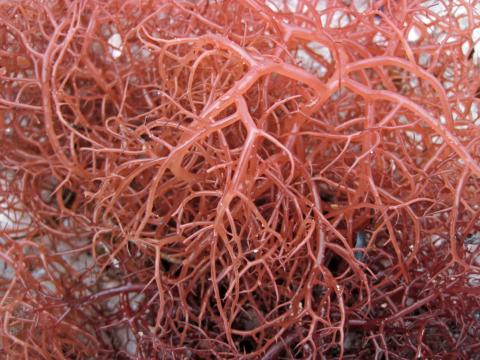
The Gracilaria algae, for example, is being used mainly to produce food agar, but also as a fresh and dry edible vegetables as a source of protein, for creating an ingredient for the cosmetics industry, or as sunscreens. It has also been found that Gracilaria has biological-medical activity such as antimicrobial, anti-inflammatory, and anti-viral substance.
One of the ideas for improving algae growth is to create an array of solar panels that will meet the increased demand for alternative protein. Furthermore, changing the light conditions by using the solar panels has the potential to enrich the amount of protein in the algae and its bio-active compounds.